
Have you ever seen someone text “I have FOMO” or post “Major FOMO right now” and wondered what they were actually trying to say? FOMO is one of those internet expressions that look simple but can carry several emotional shades depending on the situation. Someone might use it seriously because they feel left out, or they might say it jokingly after seeing their friends having fun without them.
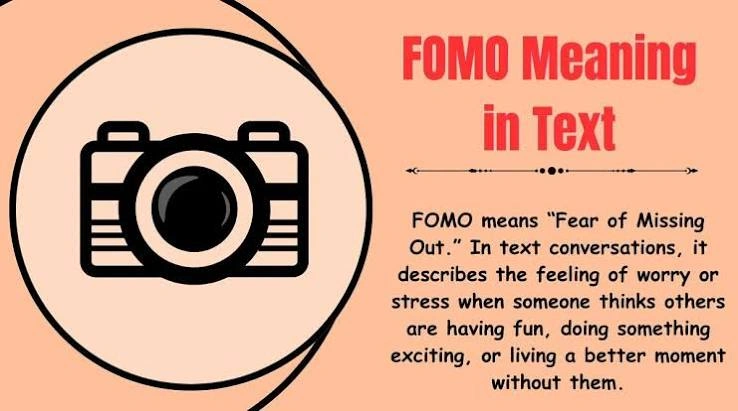
The Fomo Meaning In Text is “Fear of Missing Out.” It describes the feeling that you may be missing something exciting, enjoyable, important, or socially valuable while other people are experiencing it. You can see FOMO in text messages, Instagram captions, Snapchat stories, TikTok comments, group chats, dating conversations, gaming communities, and casual workplace chats. Sometimes it expresses genuine disappointment, while other times it is simply a playful way to say, “I wish I were there too.”
Table of Contents
- What Does FOMO Mean in Text?
- FOMO Meaning in Simple Words
- What Does FOMO Stand For?
- Why Do People Use FOMO?
- Common Meanings of FOMO
- FOMO in Different Situations
- FOMO in Text Messages
- FOMO on Instagram
- FOMO on Snapchat
- FOMO on TikTok
- FOMO on WhatsApp
- FOMO in Group Chats
- FOMO in Dating and Flirting
- FOMO in Gaming
- FOMO at Work
- Is FOMO Rude?
- Is FOMO Flirty?
- Is FOMO Negative?
- How to Reply to FOMO
- Funny Replies to FOMO
- Flirty Replies to FOMO
- FOMO Examples in Real Conversations
- FOMO vs JOMO
- FOMO vs YOLO
- Common FOMO Mistakes
- When to Use FOMO
- When to Avoid FOMO
- Final Thoughts
- FAQs
What Does FOMO Mean in Text?
FOMO means “Fear of Missing Out.” In texting, it describes the uneasy or excited feeling you get when you believe other people are doing something interesting or meaningful without you. It can happen when your friends go somewhere, when you see an event online, when everyone is discussing something you missed, or even when a popular product or trend suddenly becomes difficult to find.
The expression does not always mean someone is genuinely anxious. In everyday texting, people often use FOMO casually or dramatically. For example, someone might see pictures from a friend’s birthday party and text, “I have major FOMO!” They may not be deeply upset; they may simply wish they had been there. Understanding the tone is therefore important because FOMO can be serious, playful, emotional, jealous, curious, or even humorous depending on the conversation.
FOMO Meaning in Simple Words
In the simplest possible words, FOMO means not wanting to miss out on something other people are enjoying or experiencing.
Imagine your friends are at a concert and you decided to stay home. Later, they send you pictures of the crowd, music, food, and fun. You suddenly think, “I should have gone.” That feeling is FOMO.
It can happen with almost anything:
- Parties
- Concerts
- Vacations
- Friend gatherings
- New trends
- Shopping deals
- Movies
- Games
- Social events
- Career opportunities
- Online conversations
So when someone says “FOMO is hitting hard,” they are usually saying that they wish they were part of something they are currently missing.
What Does FOMO Stand For?
FOMO stands for Fear of Missing Out. The phrase is now commonly used as both an acronym and an everyday word. People can say “I have FOMO,” “That gave me FOMO,” or “I’m getting FOMO” without spelling out the full phrase.
In texting, using the shorter version is convenient because everyone familiar with internet slang immediately understands the idea. The acronym can also make the statement feel lighter. Saying “I have FOMO” often sounds more casual than explaining, “I feel anxious because everyone else is having an experience without me.”
The important point is that FOMO is about the feeling of missing an experience, not simply physically being absent from somewhere.
Why Do People Use FOMO?
People use FOMO because it communicates a complicated feeling in just four letters. Instead of explaining that they wish they had joined a trip, attended a party, bought something earlier, or participated in a conversation, they can simply say, “FOMO.”
It is especially useful online because social media constantly shows people what others are doing. A person might open Instagram and see friends traveling, attending events, celebrating achievements, or enjoying a night out. Even when the person was perfectly comfortable before seeing those posts, the images can suddenly create the feeling that they are missing something.
FOMO can therefore be genuine, but it is also frequently used in a playful and exaggerated way.
Common Meanings of FOMO
Although the full form stays the same, FOMO can express slightly different ideas depending on the situation.
1. Feeling Left Out
This is the most common use. Someone sees others having fun without them and feels excluded.
Example:
“Everyone went out last night. I have serious FOMO.”
2. Wanting to Join
FOMO can also mean that someone suddenly wants to participate.
Example:
“You guys are going to the beach? Now I have FOMO.”
Here, the person may be trying to say that they want to come along.
3. Regretting a Decision
Someone might feel FOMO after deciding not to attend an event.
Example:
“I said no to the concert, and now I have FOMO.”
4. Fear of Missing an Opportunity
FOMO is not limited to parties or social events. People can use it when they are worried about missing a useful opportunity, trend, sale, or experience.
Example:
“Everyone is buying these headphones before the discount ends. FOMO made me order them.”
5. Playful Jealousy
Friends often use FOMO to jokingly complain when others are enjoying something without them.
Example:
“Stop sending food pictures. You’re giving me FOMO!”
FOMO in Different Situations
The meaning of FOMO becomes easier to understand when you look at the situation around it. The same phrase can feel completely different depending on what happened before the message.
If your friend says “FOMO 😭” after seeing your vacation photos, they probably wish they were there. If someone says “I’m getting FOMO, should I come?”, they may actually be asking to join. If someone posts “No FOMO tonight”, they may simply be saying they are happy with their decision and do not feel like they are missing anything.
Context turns the basic definition into the intended message.
FOMO in Text Messages
In ordinary texting, FOMO is often used between friends and family members. People may mention it when discussing weekend plans, parties, trips, movies, shopping, food, or anything else they wish they could experience.
Common examples include:
- I have FOMO already.
- This is giving me FOMO.
- Major FOMO rn.
- I should’ve gone. FOMO.
- Don’t make me regret staying home.
- Everyone is going except me. FOMO is real.
- I’m getting serious FOMO from these pictures.
The tone is usually casual, so the abbreviation fits naturally into informal conversations.
FOMO on Instagram
Instagram is one of the easiest places to notice FOMO because people constantly share highlights from their lives. A friend might post vacation pictures, a restaurant visit, a concert, a birthday party, or a weekend trip. Someone who was not there may comment “FOMO!” to express that they wish they had joined.
You might also see captions such as:
“Major FOMO looking at everyone’s weekend stories.”
Or:
“This trip is giving me serious FOMO.”
On Instagram, FOMO is often playful rather than deeply emotional. It can be a quick way to show interest in someone’s experience while letting them know you wish you had been there.
FOMO on Snapchat
Snapchat is another platform where FOMO appears naturally because users often share real-time updates. If your friends are together and constantly posting Snaps from the same event, someone who stayed home may reply with “FOMO 😭.”
For example:
Friend: “We’re all at the beach!”
You: “Okayyy, major FOMO 😭”
Here, you are not necessarily upset. You are simply saying that the pictures make you wish you were there.
FOMO on TikTok
On TikTok, FOMO can appear in comments, captions, direct messages, and videos about events or trends. Someone might watch a video showing a concert, festival, travel destination, restaurant, or viral product and comment that it is giving them FOMO.
Examples include:
- This is giving me FOMO.
- Now I want to go too.
- Major FOMO watching this.
- Why did I skip this? 😭
- Okay, I officially have FOMO.
TikTok can amplify FOMO because users are constantly exposed to experiences they are not personally part of.
FOMO on WhatsApp
On WhatsApp, FOMO is common in personal chats and group conversations. A group might be planning a dinner while one member is unavailable. When that person sees the pictures afterwards, they may say:
“Looks like I missed everything. FOMO!”
Another person might use it before making a decision:
“Everyone is going tonight. I’m getting FOMO. Should I come?”
In both examples, FOMO communicates the desire not to miss the experience.
FOMO in Group Chats
Group chats are almost perfect environments for FOMO because they allow people to see conversations and plans happening in real time. If everyone starts discussing an event you cannot attend, you may feel like you are missing an important moment.
For example:
Friend 1: “We booked the tickets!”
Friend 2: “This is going to be so good.”
You: “Why am I getting FOMO already?”
The message is usually friendly and conversational. It may even encourage the group to invite you or include you in plans.
FOMO in Dating and Flirting
FOMO can also appear in dating conversations. In this context, it may mean that someone wishes they were included in a person’s plans or does not want to miss an opportunity to spend time with them.
For example:
“You went out without me? FOMO 😏”
This could be playful flirting.
Another example:
“Everyone’s meeting tonight and I’m getting FOMO. Should I come?”
Here, the person may genuinely want to join.
However, FOMO itself is not a flirting term. Its romantic meaning comes from the relationship and tone of the conversation. An ordinary friend can use the same expression without any romantic intention.
FOMO in Gaming
Gamers frequently experience FOMO when games introduce limited-time events, rewards, characters, skins, challenges, or seasonal content. If someone misses a special event, they may say they have FOMO because they cannot participate later.
Examples include:
- I missed the event and now I have FOMO.
- Everyone got the new skin. Major FOMO.
- I need to log in before the event ends.
- This limited reward is giving me FOMO.
- I skipped the update and now I regret it.
Gaming FOMO can therefore be connected to both social experiences and limited-time content.
FOMO at Work
FOMO is less appropriate in formal workplace communication, but it can appear in informal professional chats, especially in relaxed teams and online communities. Someone might use it when discussing a conference, new software, industry trend, training session, or important meeting.
For example:
“Everyone is attending the marketing conference. I’m getting FOMO.”
Or:
“I don’t want to miss the product launch updates.”
In a formal email, however, it is usually better to communicate the idea directly rather than relying on slang.
Is FOMO Rude?
No, FOMO is not inherently rude. It is usually a casual expression of wanting to be included or wishing you had not missed something.
The tone depends on how it is used. A message like:
“Your vacation pics are giving me FOMO 😂”
sounds playful.
But:
“Everyone went without me. I have FOMO.”
may sound more emotional.
The expression itself is neutral. The surrounding words, emojis, and situation determine whether it feels funny, sad, jealous, or serious.
Is FOMO Flirty?
FOMO can be used in a flirty conversation, but the word itself is not inherently romantic.
For example:
“You went out without me? Now I have FOMO 😉”
The wink emoji and the relationship create a playful tone.
But:
“I have FOMO because everyone went to the concert.”
is simply a statement about missing an event.
Never assume someone is flirting just because they used FOMO. Look at the complete conversation before interpreting the message.
Is FOMO Negative?
FOMO can be negative, positive, or playful depending on context.
It can feel negative when someone genuinely feels excluded, anxious, or regretful. It can feel positive when FOMO motivates someone to participate in an enjoyable opportunity. It can also be completely humorous when friends use it as an exaggerated complaint.
For example:
Negative:
“I wasn’t invited, and now I feel terrible. Major FOMO.”
Positive:
“I wasn’t planning to go, but FOMO convinced me to buy a ticket.”
Funny:
“You guys are eating pizza without me? FOMO level 100.”
This flexibility is one reason the term works so well in casual online communication.
How to Reply to FOMO
Your response should match the person’s tone. If they genuinely wish they had joined you, reassure them. If they are joking, joke back. If they are asking to join your plans, give them a clear answer.
Casual Replies
- You should’ve come!
- We missed you.
- Next time you’re coming with us.
- Don’t worry, we’ll go again.
- You would’ve loved it.
- Come next time.
- It wasn’t the same without you.
- You definitely need to join us next time.
Reassuring Replies
- You didn’t miss anything major.
- We’ll plan another one soon.
- There will be plenty more chances.
- Don’t worry, we’ll include you next time.
- You can come with us next time.
- We saved some fun for you.
Funny Replies to FOMO
If the conversation is playful, you can answer with humour.
- FOMO activated 😂
- Welcome to the club.
- Should we send you hourly updates?
- Your FOMO is showing.
- Next time, no excuses.
- We tried to warn you.
- Consider this your official invitation for next time.
- FOMO has entered the chat.
- You chose to stay home!
- The FOMO is strong with this one.
Flirty Replies to FOMO
When the conversation is already romantic, you can make your reply a little more playful.
- You should’ve been here with me 😉
- Next time, you’re coming with me.
- Maybe I can fix that FOMO.
- You wouldn’t have FOMO if you were here.
- Sounds like you need to join me next time.
- I was wondering where you were.
- Come with me next time and no FOMO.
- Maybe I’ll give you something better to do.
FOMO Examples in Real Conversations
Real examples make the meaning easier to recognise because FOMO can appear in many different forms.
Example 1: Missing a Party
Friend: “Everyone is at Sarah’s party.”
You: “I have major FOMO 😭.”
Meaning: You wish you were there.
Example 2: Vacation
Friend: “Look at this beach!”
You: “Stop. You’re giving me FOMO.”
Meaning: The pictures make you wish you were on the trip.
Example 3: Concert
Friend: “We got tickets!”
You: “Now I have FOMO.”
Meaning: You wish you had bought a ticket too.
Example 4: Shopping
Friend: “The shoes are almost sold out.”
You: “Okay, FOMO is making me buy them.”
Meaning: Fear of missing the opportunity is influencing your decision.
Example 5: Dating
Person: “We’re all going out tonight.”
You: “Now I have FOMO. Can I join?”
Meaning: You want to participate.
Example 6: Gaming
Friend: “The limited event ends tonight.”
You: “I can’t miss it. FOMO.”
Meaning: You do not want to miss the limited opportunity.
Example 7: Social Media
Friend: “Everyone keeps posting from the festival.”
You: “My FOMO is getting ridiculous.”
Meaning: Seeing everyone else’s posts is making you wish you were there.
FOMO vs JOMO
FOMO and JOMO describe opposite feelings.
FOMO = Fear of Missing Out
JOMO = Joy of Missing Out
FOMO happens when you worry that you are missing something enjoyable or important. JOMO happens when you are perfectly happy staying away from the activity and enjoying your own time.
For example:
FOMO:
“Everyone is going out tonight and I wish I could join.”
JOMO:
“Everyone is going out tonight, but I’m happy staying home with my favourite show.”
Both terms describe reactions to the decision to participate or not participate, but their emotional direction is completely different.
FOMO vs YOLO
FOMO and YOLO are also related to choices, but they are not the same.
FOMO = Fear of Missing Out
YOLO = You Only Live Once
FOMO can push someone toward an activity because they are afraid of missing it. YOLO is often used to justify doing something because life is short and the opportunity is worth taking.
Example:
FOMO:
“I wasn’t going to the concert, but everyone else is going, so now I want to go.”
YOLO:
“I wasn’t planning to go, but YOLO, so I bought the ticket.”
Common FOMO Mistakes
One common mistake is assuming FOMO always means serious anxiety. In casual texting, people often use it dramatically or jokingly. Saying “I have FOMO” after seeing a friend’s dinner picture does not necessarily mean the person is experiencing a serious emotional problem.
Another mistake is assuming FOMO only applies to social events. People can feel it around purchases, opportunities, travel, entertainment, gaming, career decisions, trends, and online communities.
People also sometimes confuse FOMO with jealousy. The two can overlap, but they are not identical. FOMO focuses on the feeling of missing an experience or opportunity. Jealousy can involve wanting something another person has or feeling threatened by another person’s situation.
When to Use FOMO
FOMO works naturally in casual conversations where the other person understands internet slang. It is particularly useful with friends, classmates, siblings, gaming teammates, social-media followers, and people you regularly message.
You can use FOMO when:
- You wish you had joined an event.
- You regret missing a party.
- Someone’s pictures make you want to travel.
- You are considering joining a plan.
- You do not want to miss a limited opportunity.
- You are joking about being left out.
- You want to express playful jealousy.
- You are reacting to a trend.
It works best when the conversation is informal and relaxed.
When to Avoid FOMO
FOMO is common, but slang is not appropriate everywhere. Formal emails, job interviews, academic writing, official announcements, and serious professional communication generally require clearer wording.
Instead of writing:
“Don’t miss the meeting or you’ll have FOMO.”
A professional message would be:
“Please attend the meeting so you do not miss the important updates.”
You should also avoid using FOMO as a joke when someone is genuinely upset about being excluded. In that situation, making light of their feelings can make the conversation worse.
FOMO and Social Media
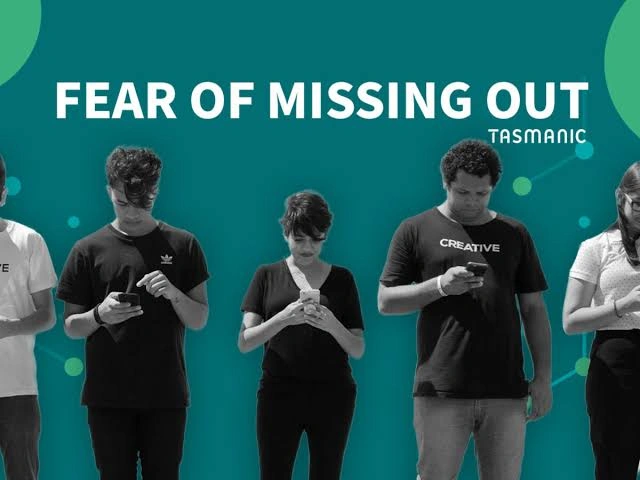
Social media has made FOMO an especially familiar concept because people see a constant stream of other people’s experiences. A single scroll can show vacations, parties, achievements, restaurants, concerts, new purchases, relationships, and events happening without you.
That does not mean every social-media post causes genuine distress. People often use FOMO casually to express admiration or a desire to participate. Still, the word has become useful because it describes a very recognisable reaction: seeing something exciting and immediately thinking, “I wish I was there.”
This is why FOMO appears so naturally in comments and captions. It is short, relatable, and immediately communicates an emotional reaction.
How to Tell What Someone Means by FOMO
When someone uses FOMO, look at four things: the situation, the relationship, the wording, and the tone.
If your friend posts a vacation picture and you reply “FOMO,” your meaning is obvious from the photo. If someone says “I have FOMO about this job opportunity,” they are talking about missing a chance rather than missing a social event.
Emojis can also help. A laughing emoji may make FOMO playful, while a sad face can make it sound more emotional. The best interpretation usually comes from the complete conversation rather than the acronym alone.
Final Thoughts
The Fomo Meaning In Text is simple: FOMO stands for “Fear of Missing Out.” It describes the feeling of wishing you were part of something that other people are experiencing or worrying that you might miss an enjoyable, important, or valuable opportunity.
In everyday texting, FOMO is usually casual and relatable. Someone may use it after seeing vacation pictures, missing a party, watching friends attend a concert, discovering a limited-time event, or realising they skipped something everyone else enjoyed. It can sound serious, playful, funny, emotional, or even slightly flirty depending on the situation.
Once you understand the context, FOMO is easy to recognise. And the next time someone texts “I have FOMO,” you will know they are probably saying one simple thing: they don’t want to miss out.
FAQs
What does FOMO mean in text?
FOMO means “Fear of Missing Out.” It describes the feeling of worrying that you are missing something enjoyable, exciting, important, or socially valuable while other people are experiencing it.
What does FOMO stand for?
FOMO stands for Fear of Missing Out. People commonly use it in texting, social media, group chats, gaming communities, and everyday conversations.
What is FOMO in simple words?
In simple words, FOMO means feeling like you are missing something you wish you could experience. For example, seeing your friends at a party without you may give you FOMO.
Is FOMO a slang word?
Yes. FOMO is commonly used as an informal internet and texting expression. It has also become common in everyday speech outside of online conversations.
Is FOMO always negative?
No. FOMO can be serious, but people often use it jokingly or playfully. Someone may say “FOMO” simply because they wish they had joined their friends for dinner.
Is FOMO the same as jealousy?
Not exactly. FOMO focuses on the fear or feeling of missing an experience or opportunity. Jealousy can involve wanting something another person has or feeling threatened by another person’s situation.
Is FOMO the opposite of JOMO?
Yes. FOMO means Fear of Missing Out, while JOMO means Joy of Missing Out. JOMO describes being happy or peaceful about skipping an activity.
Is FOMO flirty?
FOMO can be used in a flirty conversation, but it is not inherently flirty. Context determines the tone. “You went without me? Now I have FOMO 😉” could be playful flirting.
Is FOMO rude?
FOMO is not normally rude. It is a casual expression. However, joking about FOMO may feel insensitive if someone is genuinely upset about being excluded.
What does “I have FOMO” mean?
“I have FOMO” usually means “I feel like I am missing out on something.” The person may wish they were attending an event, joining a trip, participating in an activity, or taking an opportunity.
What does “giving me FOMO” mean?
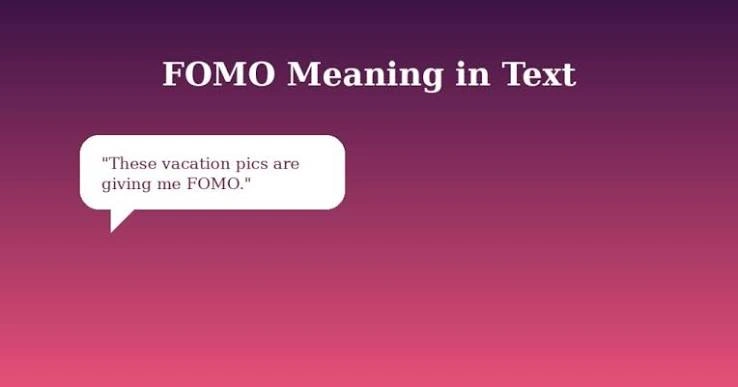
“Giving me FOMO” means something is making you wish you were part of an experience. For example, “Your vacation pictures are giving me FOMO” means the pictures make you wish you were on the vacation too.
How do I reply when someone says FOMO?
You can reply according to the situation. Casual responses include “Next time you’re coming with us,” “We missed you,” or “You should’ve come!” A funny response could be “FOMO level: expert unlocked.”
What is FOMO on Instagram?
On Instagram, FOMO usually describes the feeling caused by seeing other people’s experiences and wishing you were included. It commonly appears in comments, captions, Stories, and DMs.
What is FOMO on Snapchat?
On Snapchat, FOMO is often used when someone sees friends posting from an event, trip, party, or outing and wishes they were there too.
Can FOMO be used at work?
FOMO can appear in informal workplace chats, but it is better to avoid it in formal professional communication. In an official message, explain clearly what information or opportunity someone might miss.
What is the difference between FOMO and YOLO?
FOMO means Fear of Missing Out, while YOLO means You Only Live Once. FOMO describes the fear of missing an experience; YOLO is often used to justify taking an opportunity or doing something adventurous.
Can FOMO refer to missing an opportunity?
Yes. FOMO can refer to missing more than social events. People may use it when they are worried about missing a job opportunity, sale, investment opportunity, trend, game event, or other valuable experience.
Is FOMO only used online?
No. Although FOMO became especially common through internet and social-media culture, people also use the term in spoken conversations and other forms of everyday communication.
Why do people say “FOMO is real”?
“FOMO is real” is a casual way of emphasizing that someone genuinely feels like they are missing something. It can be serious or humorous depending on the situation.
Can FOMO be used as a joke?
Yes. People frequently use FOMO humorously. For example, someone might see friends eating pizza and say, “Major FOMO,” even though they are only joking about wanting some pizza.